
5 min read
When to replace an HPS or metal halide grow lamp
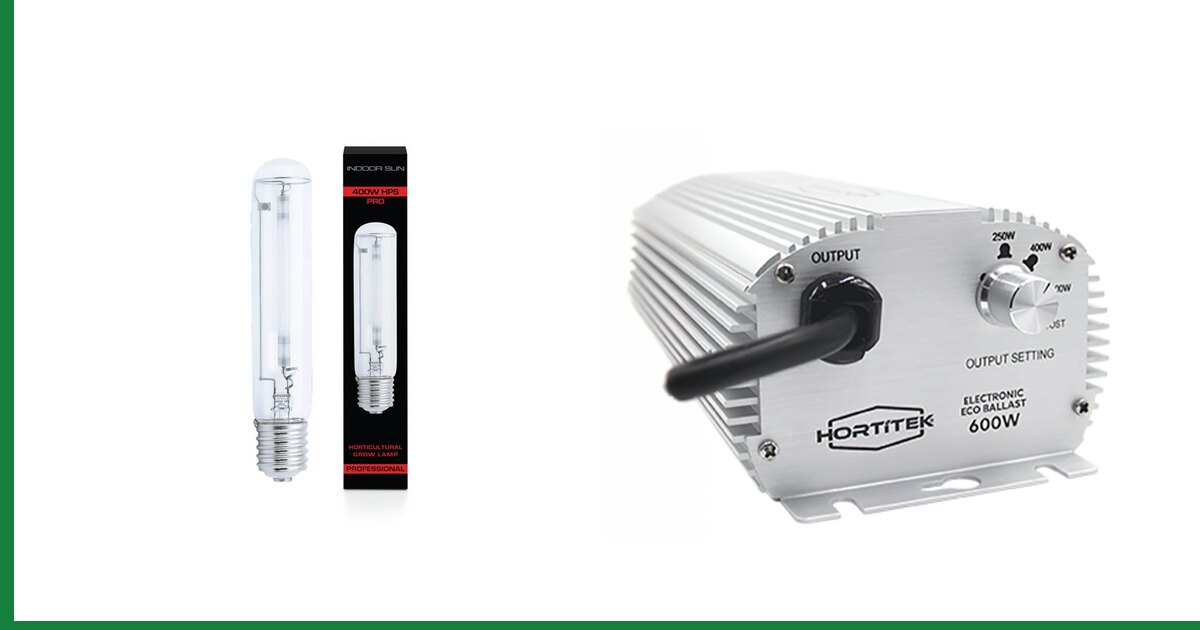
The short version. Replace an HID grow lamp on hours, not on whether it still lights up. A high pressure sodium lamp is generally considered due at around 10,000 to 12,000 hours; metal halide typically sooner. A lamp well past its hours still looks bright to you while delivering noticeably less usable light to the plants.
This is the maintenance job most growers skip, because nothing breaks. The lamp lights, the room is bright, and the plants are simply a bit less productive than last season for reasons that get blamed on nutrients. Lamps dim gradually, and human eyes adapt to gradual change almost perfectly.
Why output falls before the lamp fails
Inside an HID lamp, an arc runs between two electrodes in a sealed tube. Over thousands of hours the electrodes erode, material deposits on the inside of the arc tube, and the chemistry of the fill shifts. The result is less light, and a spectrum that drifts away from what it started as. The lamp keeps striking - it just does less.
Why you cannot judge it by eye. Human vision is roughly logarithmic. A lamp can lose a third of its output and still look "bright" in a dark room. The plants are working from the actual photon count, not the impression.
Rough replacement intervals
| Lamp type | Commonly quoted life | In practice |
|---|---|---|
| High pressure sodium (HPS) | ~10,000 - 12,000 h | Many growers replace every 12 - 18 months of heavy use |
| Metal halide (MH) | Shorter than HPS | Spectrum shifts earlier; often replaced annually |
| Ceramic metal halide | Longer than standard MH | Follow the maker's stated hours |
Always take the manufacturer's stated hours as the authority for the specific lamp in your hand - these are general ranges, not a specification.
Turning hours into a date
Do the arithmetic once and write it on the ballast in marker.
- 18 hours a day is roughly 6,570 hours a year.
- 12 hours a day is roughly 4,380 hours a year.
- A mixed cycle of a few months at 18 then a few at 12 lands most home growers somewhere between the two.
At 12 hours a day, a 10,000-hour lamp is due at a little over two years. At 18 hours a day it is due inside 18 months. Write the install date on the lamp box and on the ballast, because you will not remember.
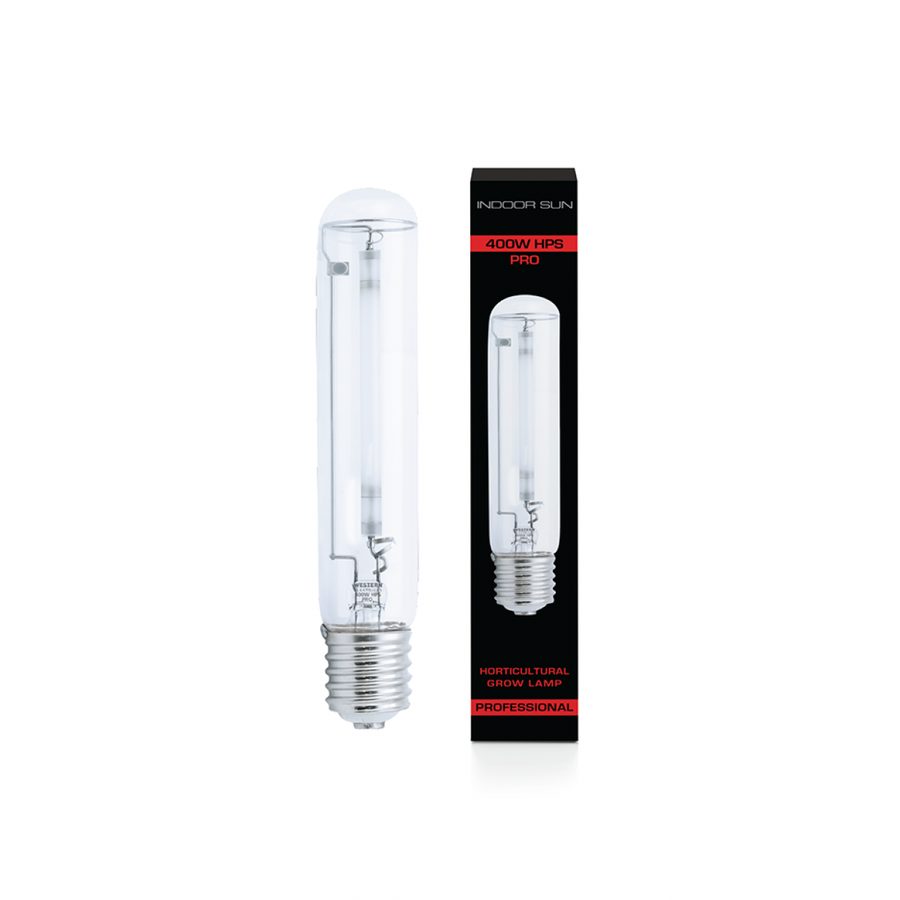
Replacement lamps are stocked alongside the rest of our lighting parts.
Signs it is overdue
- Slow or reluctant striking. Taking longer to come up to full brightness than it used to.
- Flicker or cycling. Striking, running briefly, going out and restarting - often an end-of-life symptom, though it can also point at the ballast.
- Visible blackening at the ends of the arc tube.
- Colour shift. An HPS drifting pink, or a metal halide going noticeably blue or green.
- Plants stretching at the same hanging height they were fine at last season.
Handling a new lamp
- Let the old lamp cool completely. HID lamps run extremely hot and the outer envelope can fail if handled hot.
- Isolate the power at the wall - do not rely on the timer.
- Handle the new lamp by its base, with a clean cloth or gloves. Skin oils on the glass create a hot spot as the lamp heats.
- Seat it firmly in the holder without forcing it, and check the contacts are clean.
- Wipe the reflector while it is apart. A dusty deep bowl or batwing throws away light for free.
- Note the date. On the ballast, in your phone, anywhere you will look again.
When it is the ballast, not the lamp
A lamp that will not strike is not always a dead lamp. If a known-good lamp also fails to start, or the ballast hums loudly, runs unusually hot or trips the circuit, the ballast is the more likely suspect. If you are unsure, bring the parts in to the shop and we will test them against a working setup.
Disposal
HID lamps contain small amounts of material that should not go in a household bin - metal halide lamps in particular contain mercury. Check your local council's guidance for lamp and e-waste drop-off; most Auckland transfer stations accept them.
Worth doing at the same time. If the lamp is due, the room is already off and open. It is the natural moment to clean the reflector, check the filter pre-sleeve and look over the hanging gear.
Frequently asked questions
How often should I replace an HPS grow lamp?
Work on the manufacturer's stated hours - commonly around 10,000 to 12,000 for HPS - rather than waiting for failure. At 12 hours a day that is a little over two years; at 18 hours a day it is inside 18 months.
My lamp still lights. Why replace it?
Because output falls long before the lamp stops working, and your eyes adapt to the change. An old lamp can be delivering substantially less usable light while still looking bright in a dark room.
Why is my grow lamp flickering or cycling on and off?
Most often an end-of-life lamp, but it can also be the ballast or a poor connection at the holder. Try a known-good lamp: if that behaves the same way, look at the ballast and the wiring rather than buying more lamps.
Can I touch the glass of a new HID lamp?
Better not to. Oils from skin create a hot spot when the lamp heats up. Hold it by the base, or use a clean cloth or gloves, and wipe the glass with isopropyl alcohol if you do touch it.
Does the reflector need cleaning too?
Yes, and it is free performance. Dust and film on a reflector scatter and absorb light that would otherwise reach the canopy. Wipe it whenever the lamp is out.
How do I dispose of an old grow lamp?
Not in the household rubbish. Metal halide lamps contain mercury and should go to a lamp or e-waste collection point - most Auckland transfer stations take them. Check your local council's current guidance.