
6 min read
Five indoor growing mistakes we see most often
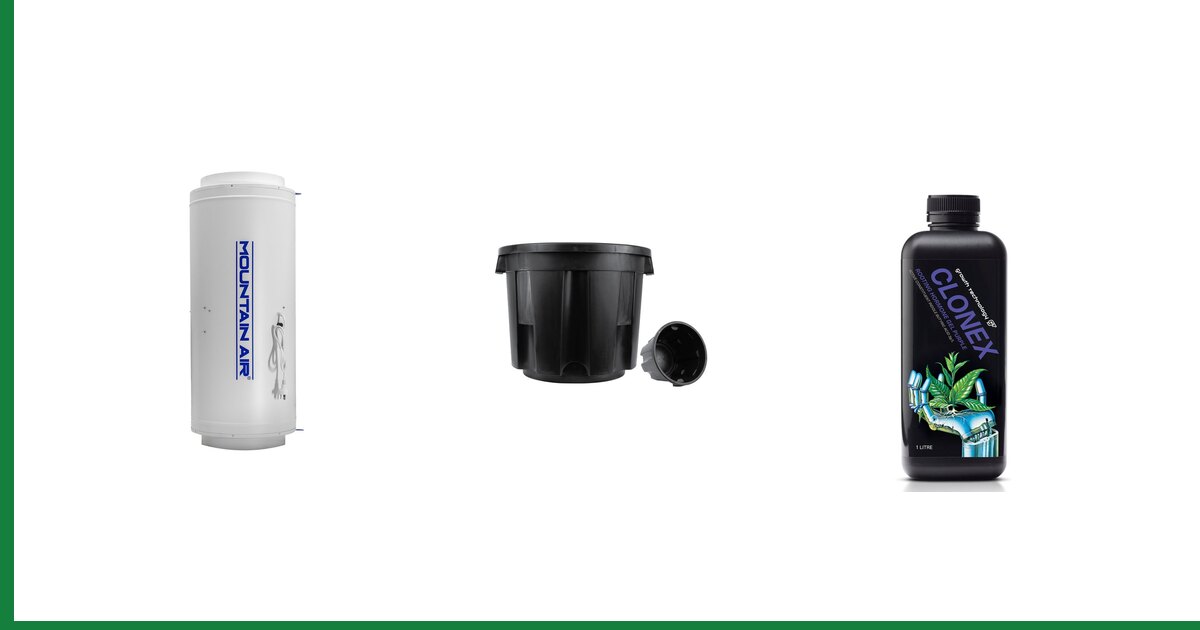
The short version. Most disappointing indoor grows come down to five habits: undersized extraction, feeding at full strength too early, letting the root zone cook, watering on a clock instead of on weight, and starting cuttings without a rooting gel. None of them look dramatic on the day. All of them show up at harvest.
We hear the same story across the counter most weeks. The plants looked fine for a month, then the lower leaves went, the new growth stalled, and the fruit never filled. Nine times out of ten the cause is not an exotic deficiency. It is one of the five below, and every one of them is cheaper to fix before you plant than after.
1. Undersized extraction
Air is the part people spend last and regret first. An indoor space with a light in it makes heat, and the plants themselves add humidity every hour they are awake. If the fan cannot replace the volume of the room roughly once a minute, the temperature climbs, the humidity sits high overnight, and you get soft growth, weak stems and a standing invitation to powdery mildew.
Work it out before you buy. Multiply length by width by height in metres to get the room volume in cubic metres, then look for a fan rated well above that number in cubic metres per hour - the ducting, bends and a carbon filter all rob you of airflow, so you want headroom rather than an exact match.
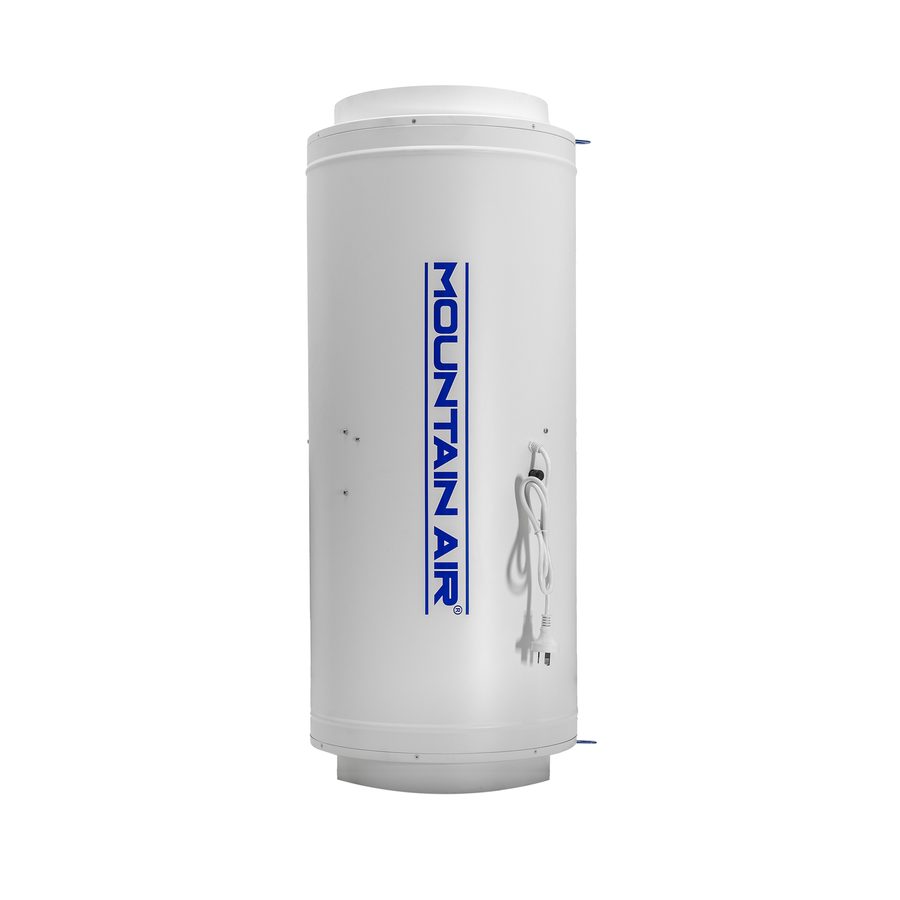
Buying the fan and filter together saves matching flanges later - see the 250mm combo and the 315mm combo.
If you would rather not size the two parts separately, our fans and filters page lists matched combos as well as standalone 250mm and 315mm fans. Whatever you pick, run the shortest, straightest ducting you can - every extra bend costs you airflow you paid for.
2. Feeding at full strength from day one
Bottle labels are written for a plant in full stride, not a seedling with three true leaves. A young root system cannot use that much salt, so the excess stays in the medium, the concentration climbs, and the plant starts pulling water back out of its own tissue. The first sign is usually burnt leaf tips that people read as hunger, so they feed more.
Start at roughly half the label rate and move up over a fortnight while you watch the newest growth. A base like Canna A + B is designed to be run this way, and a root stimulant such as Rhizotonic is worth more in those first weeks than any bloom additive. Save the heavy hitters in our nutrients and additives range for when there is a plant big enough to use them.
3. Letting the root zone cook
Warm water holds less dissolved oxygen than cool water, and roots sitting in warm, low-oxygen conditions are where root disease starts. In an Auckland summer a black pot on a concrete floor under a light will sit far warmer than the air in the room.
- Keep pots off bare concrete and out of direct light where you can.
- Pale pots run cooler than dark ones in the same spot.
- Air movement across the floor helps more than most people expect.
- Water early in the light period so the medium is not saturated through the warmest hours.
4. Watering on a timer instead of by weight
A fixed schedule ignores the two things that change daily: how big the plant is and what the weather is doing. The same pot that needed water every second day in October may need it twice a day in February.
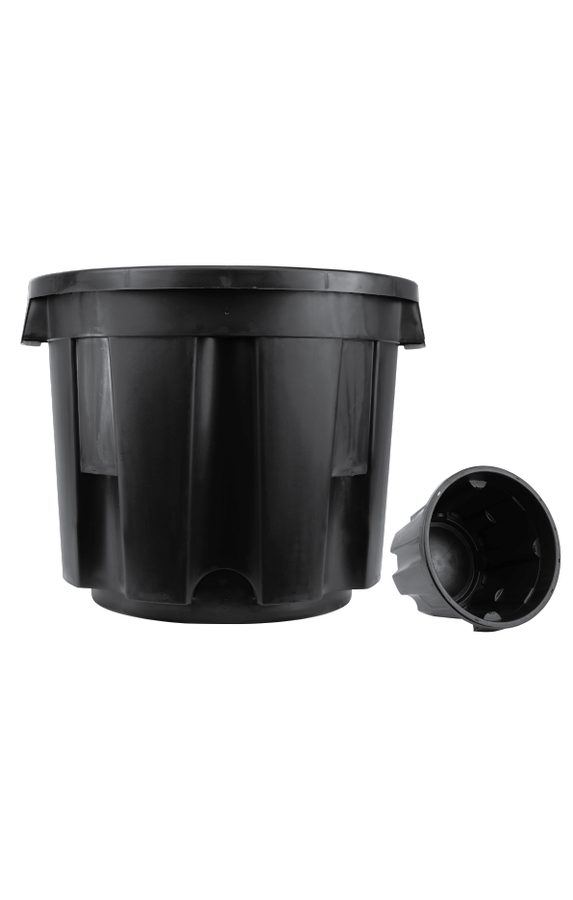
A 27L pot is easy to lift and judge; the grated version drains and breathes faster again.
Pick up the pot. Learn what it weighs soaked and what it weighs when the plant is ready for the next feed, and let that - not the clock - tell you when to water. In coco you are aiming to water little and often with a small amount of run-off each time; in a peat or soil mix you want a proper wet-and-dry swing. Our growing media and pots and trays pages cover what suits which method.
5. Starting cuttings bare
A cutting has no roots and no way to replace the water it loses through its leaves. Anything that shortens the gap between "cut" and "rooted" improves your strike rate. A rooting gel seals the cut surface and delivers hormone right where it is needed, which is why it is the single cheapest improvement most propagators make.
Clonex comes in 15ml for a handful of cuttings, 250ml for a season, and 1L for commercial trays. Pair it with Jiffy pellets and keep the humidity up for the first week. There is a full walk-through in our guide to taking cuttings with Clonex and Jiffy, and everything for the job sits under propagation and cloning.
A ten-minute check before you plant
| Check | What good looks like | Where to look |
|---|---|---|
| Extraction | Room volume replaced about once a minute, with headroom for the filter | Fans & filters |
| Ducting run | Shortest path, fewest bends, no crushed sections | Ducting, film & hose |
| Feed strength | Half label rate for the first fortnight | Nutrients & additives |
| Pot size | Big enough to finish in, small enough to lift | Pots & trays |
| Light control | Timed, and able to shut down if the room gets too hot | Light management units |
Frequently asked questions
What is the most common beginner mistake in indoor growing?
Undersized extraction. A room that cannot shift its own volume of air roughly once a minute runs hot and humid, which softens growth and encourages fungal problems. It is also the hardest mistake to fix later, because the fan, filter and ducting all have to match.
Should I feed seedlings and cuttings at the strength on the bottle?
No. Start at about half the label rate and build up over roughly two weeks while you watch the newest growth. Young root systems cannot take up much salt, and the surplus concentrates in the medium instead.
How do I know when a plant actually needs watering?
Lift the pot. Learn its weight when freshly watered and its weight when the plant is ready for more, and go by that rather than a fixed schedule. Plant size and weather change the interval constantly, so a timer set in spring will be wrong by midsummer.
Why do my leaf tips burn when I feed more?
Burnt tips are usually a sign of too much fertiliser, not too little. If the medium has built up salts, the plant struggles to draw water and the tips go first. Flush with plain pH-adjusted water, then resume at a lower strength.
Do I really need a rooting gel for cuttings?
You can root some species without one, but a gel seals the cut and puts hormone exactly where roots form, which usually means a higher strike rate and a shorter wait. For the price of a 15ml tube it is an easy improvement.
Can I get advice on my specific setup?
Yes. Call the shop on 0226936698 or come in to 46 Wharf Rd, Te Atatu Peninsula - tell us the room size and what you are running and we will work through it with you. You can also order online and collect in store.